The CNES and AIMS are strengthening the dialogue between the academic world and the private sector regarding artificial intelligence.
The President of the National Confederation of Employers of Senegal (CNES), Mr. Abdel Kader NDIAYE, presided over a meeting on Tuesday, October 27, 2026, at the Dakar Chamber of Commerce, Industry and Agriculture (CCIAD), between the African Institute for Mathematical Sciences (AIMS) and the
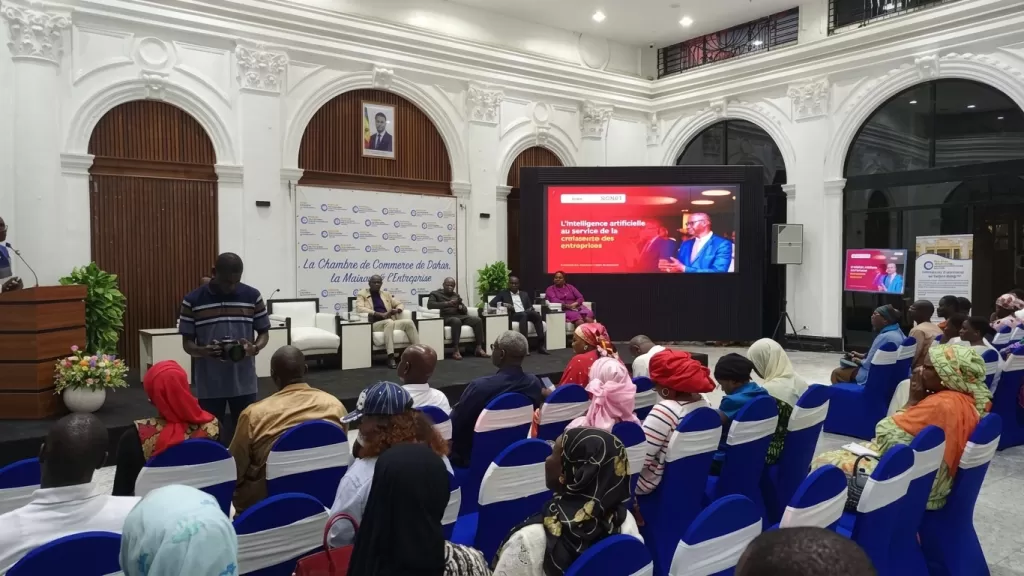
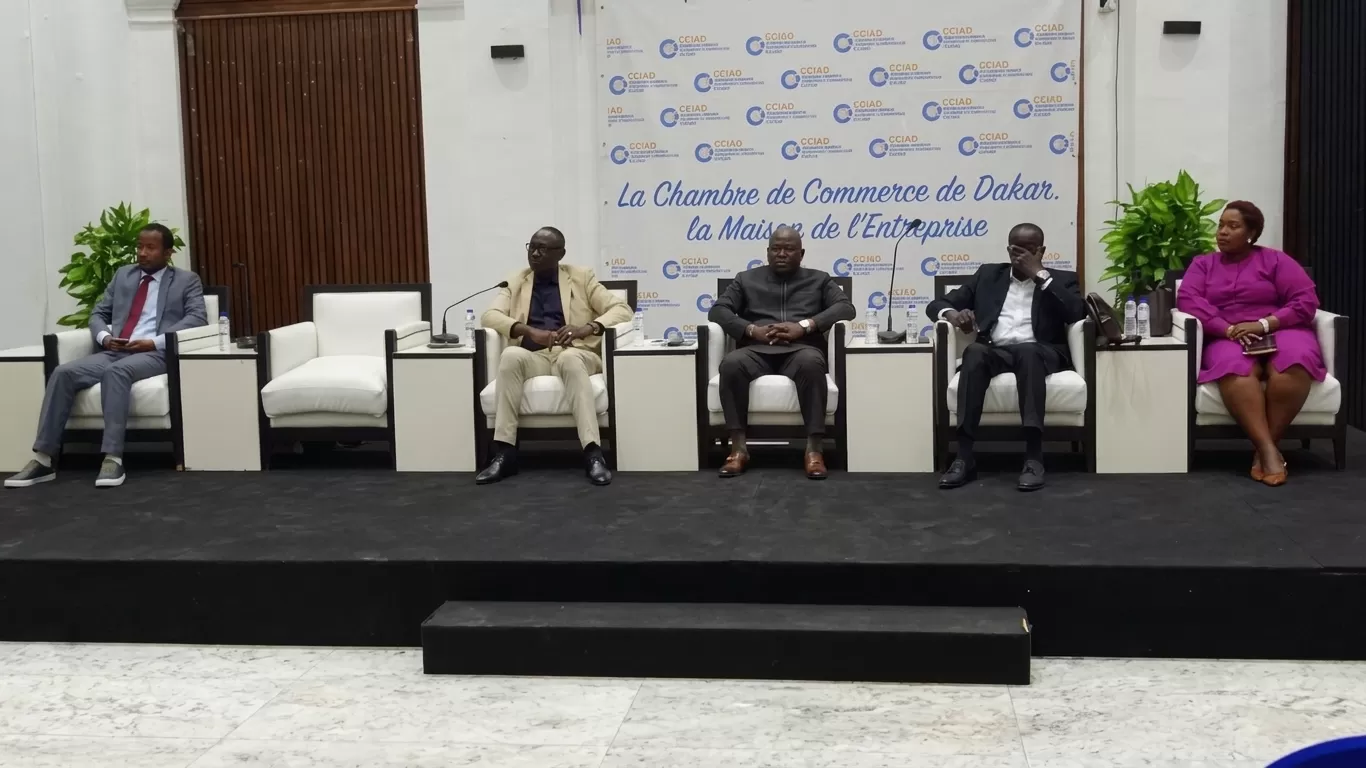
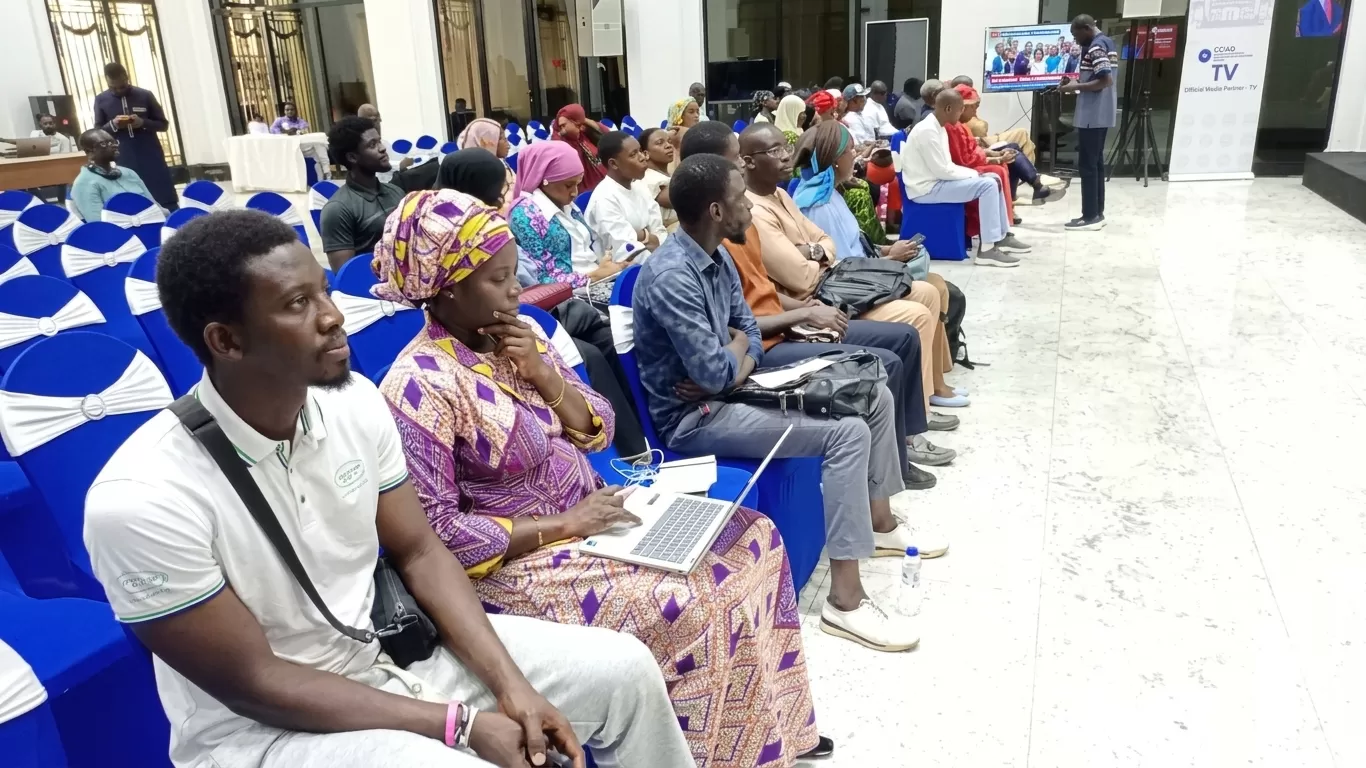
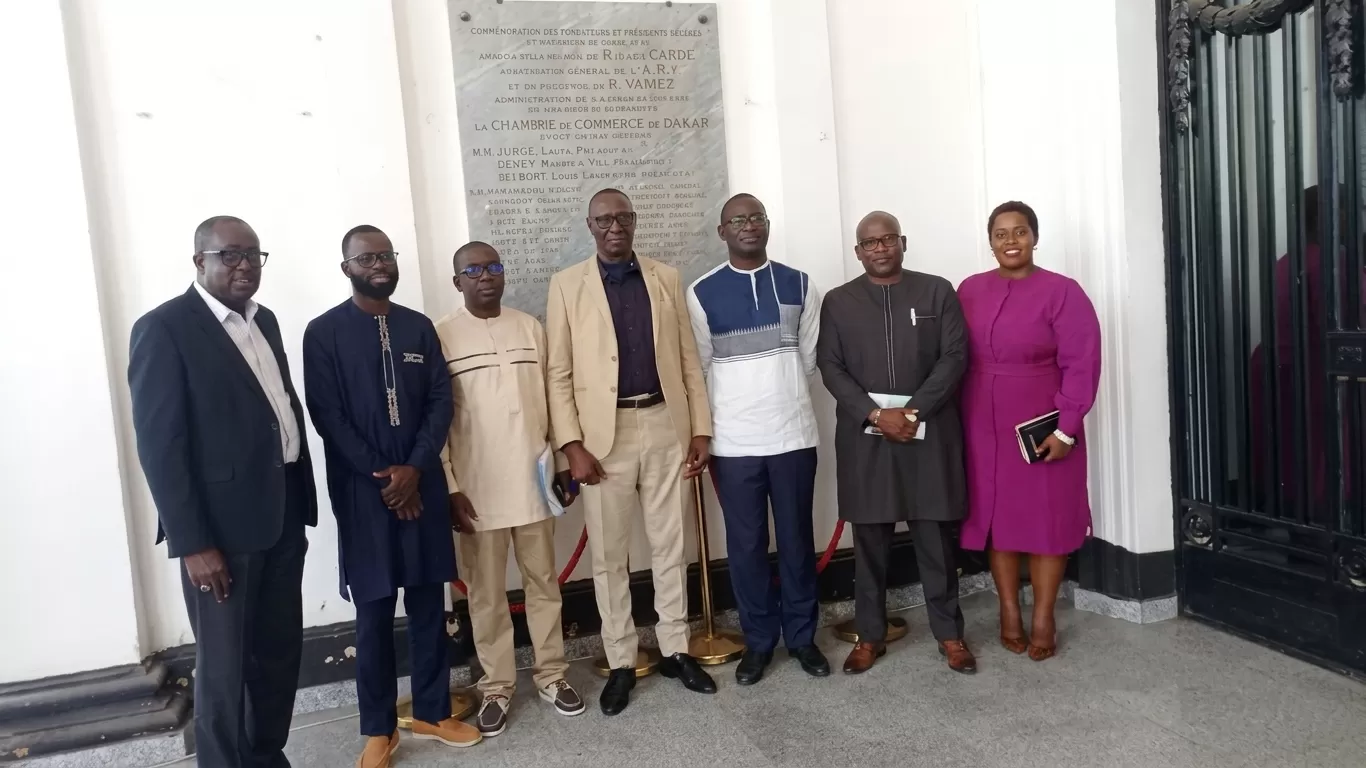
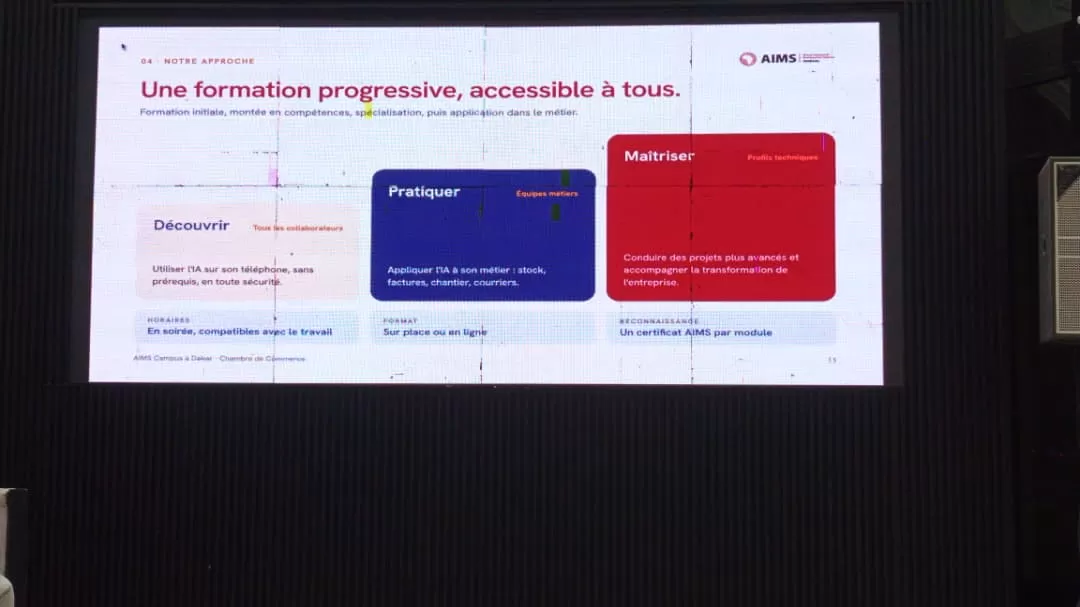
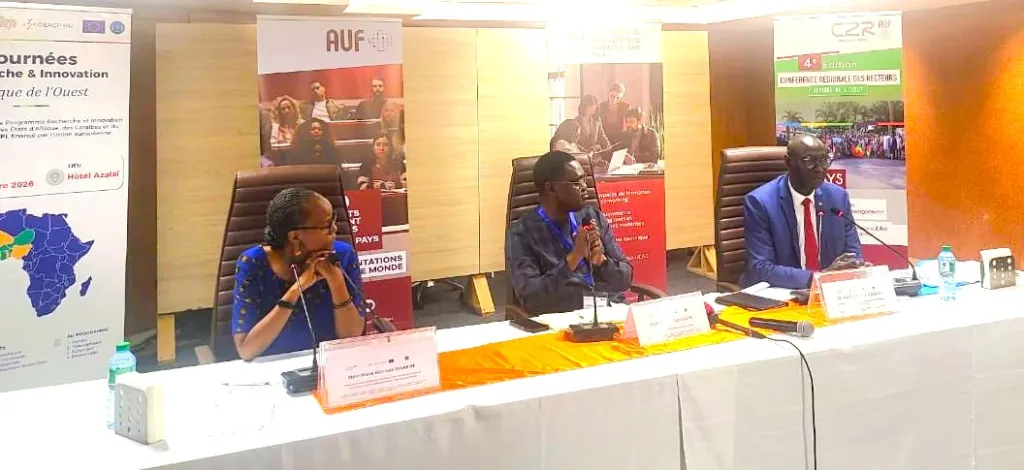
On Tuesday, October 27, 2026, Mr. Abdel Kader NDIAYE, President of the National Confederation of Employers of Senegal (CNES), presided over a meeting at the Dakar Chamber of Commerce, Industry, and Agriculture (CCIAD) between the African Institute for Mathematical Sciences (AIMS) and private sector stakeholders. The session focused on presenting AIMS’s training offerings in artificial intelligence (AI) and exploring potential collaborations with businesses.
The meeting aimed to introduce the mission, strategic direction, and training programs of AIMS, while raising awareness among economic stakeholders regarding the implications of artificial intelligence and its applications across various business sectors.
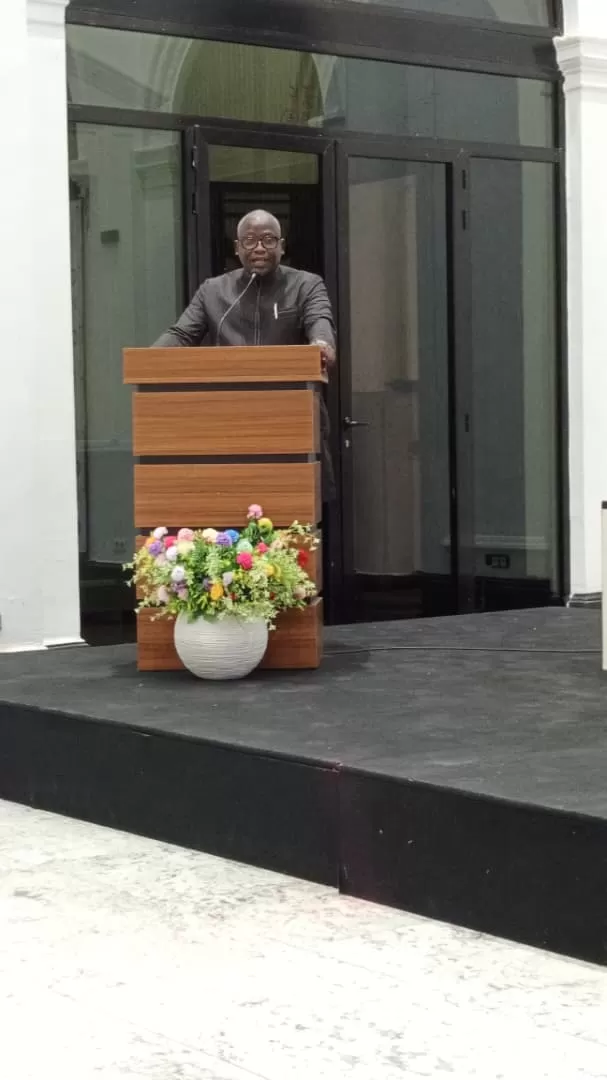
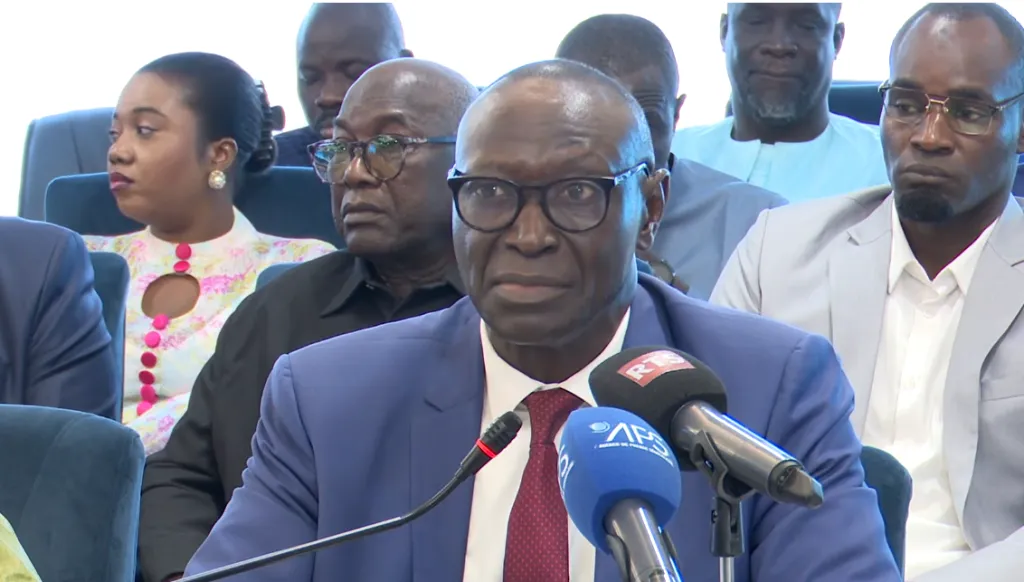
Speaking at the event, Mr. Abdel Kader NDIAYE—who also serves as Chairman of the Board of AIMS—thanked the participants for attending and highlighted the significance of this initiative, which marks a key step in strengthening ties between the institute and the private sector. He reaffirmed his commitment to fostering closer collaboration between the academic world and the business community, specifically by encouraging the development of training programs tailored to the needs of the labor market and ensuring that graduates possess skills that can be immediately applied within companies.
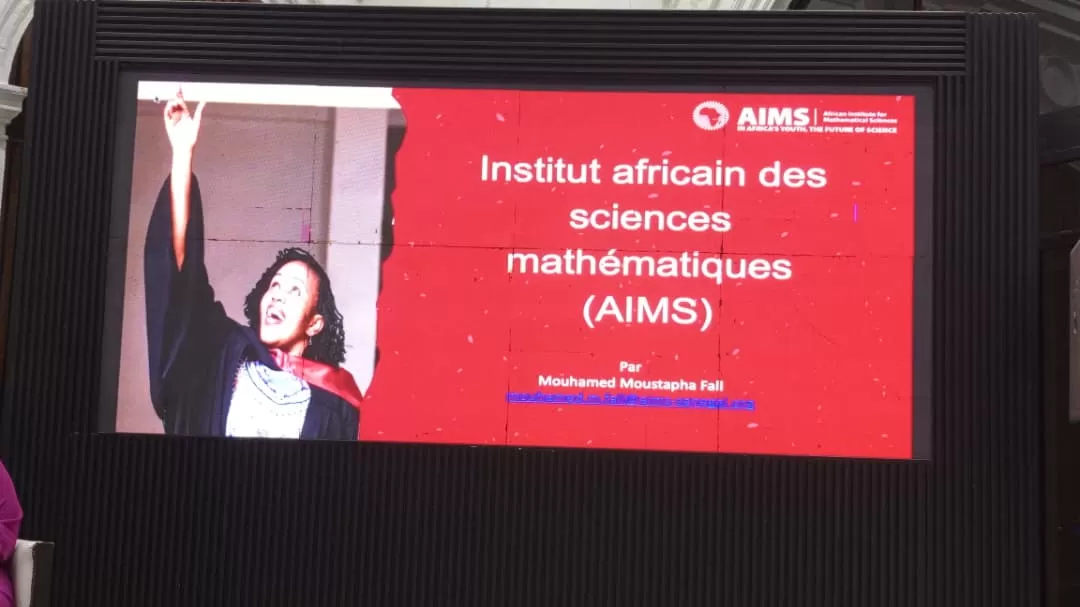
Professor Mouhamed Moustapha FALL, President of AIMS Senegal, expressed his gratitude to the CNES for the opportunity to present the institute’s training programs to private sector representatives and to discuss their specific skill requirements.
The meeting was attended by entrepreneurs, corporate representatives, students, and delegates from various employer organizations, including UNACOIS, MEDS, and the CNES. The presentations, followed by discussions with participants, allowed for in-depth exploration of artificial intelligence applications, its opportunities, risks, and the concerns it raises among businesses. Discussions also focused on the training programs offered by AIMS and their alignment with the needs of the private sector.
The discussions highlighted the potential of artificial intelligence to optimize work processes, improve productivity, leverage data, and strengthen business competitiveness.
This initiative takes place within a context marked by the acceleration of digital transformation and the implementation of the New Deal for Technology and the Senegal 2050 Agenda. It underscores the importance of closer collaboration between training institutions, research stakeholders, and the private sector to develop the skills necessary for the transformation of the Senegalese economy.
Through this meeting, the CNES reaffirms its commitment to promoting exchanges between companies and training and innovation stakeholders, with a view to fostering the alignment between available skills and the needs of the productive sector, while supporting companies in technological and economic changes.
Photos and videos (6)